Late summer is an important time for pollinators who are looking for nectar to build up the reserves they need to overwinter. It’s also a great time for us to enjoy some vibrant, jewel-coloured plants which glow in the mellow late summer light and extend summer just a little longer.
If you are looking to make your garden more pollinator-friendly and more beautiful as the summer draws to an end, here are suggestions for perennial plants you could be putting in now. Perennials, which come up every year, are easy to grow and many of them can be divided when dormant to make more plants, so they are good value. This year you will need to keep them well watered until they are established, but after that, they are very little trouble and so more sustainable than annuals. Ideally, you want plants with different flower shapes to attract the widest variety of insects.
All these plants, like their pollinators, like a sunny spot. They are all long flowering and will provide months of pleasure for you and nectar for insects.
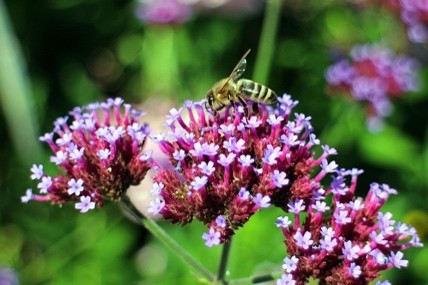
Verbena bonariensis
Tall and airy with tiny purple flowers which insects love. These flowers seed readily so you will soon have plenty to give to friends. Height 1.5 m, spread, 45 cm.
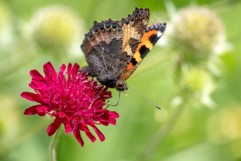
Knautia macedonica
Deep wine-coloured blooms like little pin cushions. These make lovely cut flowers too. Height 60 cm, spread 40 cm.
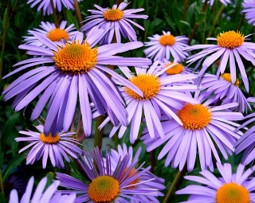
Michaelmas Daisy
It’s an old favourite which comes out late in the season providing lots of nectar when other plants are finishing. The tall varieties are gorgeous but can take over in a big way. I like Aster frikartii ‘Monch’ which is a beautiful purple daisy, with blooms about 5 cm across, with a yellow centre. It grows to about 70 cm with a similar width. The shorter varieties of Mochaelmas daisy or symphyotricum novi-belgii are ideal for smaller borders and come in rich colours. Height and spread about 30cm x 30 cm. Go for single varieties like ‘Little Pink Beauty’ rather than doubles.
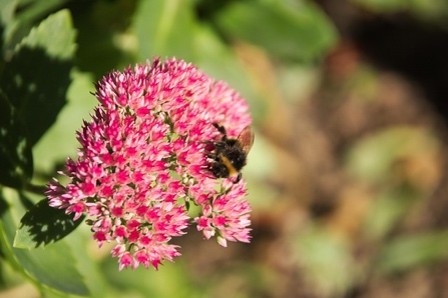
Sedum
Sedums or ‘ice plants’ are magnets for all sorts of pollinators in September. There are lots to choose from but I like Sedum ‘Autumn Joy’ which starts pale pink and turns a deep rusty pink. The seedheads provide structure in the garden until after Christmas. Height and width: 45 to 60 cm.
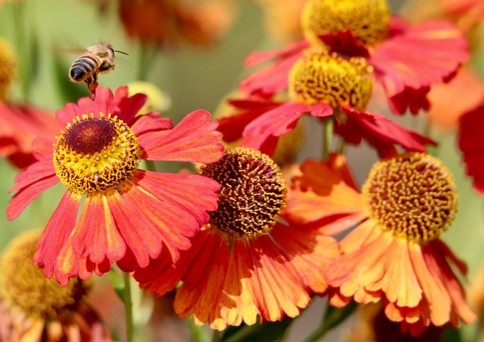
Helenium
Another tall plant with daisy-shaped flowers which come in a range of fiery colours. My favourite is ‘Moerheim Beauty’, height and spread 90×45 cm. They look great with swishy grasses like Pennisetum ‘Karley Rose’. Although a tall plant, these are not especially vigorous so easy to keep in check.
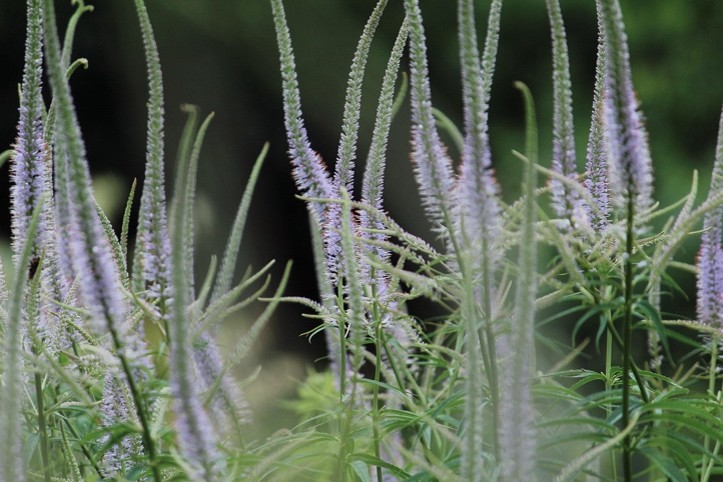
Veronicastrum virginicum
1.5 m x 1 m. Tall lilac or white spires, inevitably surrounded by clouds of butterflies look amazing in a bigger border. Like a lot of these taller plants, they look fabulous with grasses which provide winter habitats for insects as well as structure for your garden. ‘Fascination’ is a good one.
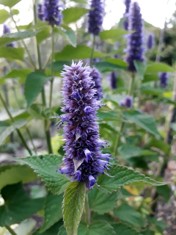
Agastache rugosa or giant hyssop
Insect-attracting spikes in shades of blue and pink. I like ‘Blackadder,’ but there are a whole range of cultivars in soft pinks, blues and whites called, fittingly, ‘Beelicious’. Height and spread 80 x 45 cm. They can be a bit tender and I have lost them over the winter.
Echinops ritro
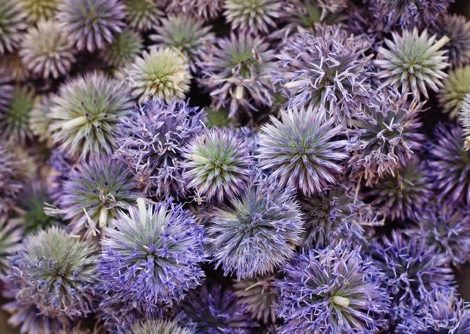
Height and spread 90x45cm. This variety is ‘Veitch’s Blue’ but there are lots of cultivars including some smaller ones. This architectural thistle has perfectly spherical heads which look almost metallic in the early stages. Insects adore them. The bottom leaves of the plant can get a bit messy so worth planting something to hide them. It looks fabulous with Agastache ‘Blackadder’.
Origanum vulgare ‘Aureum’
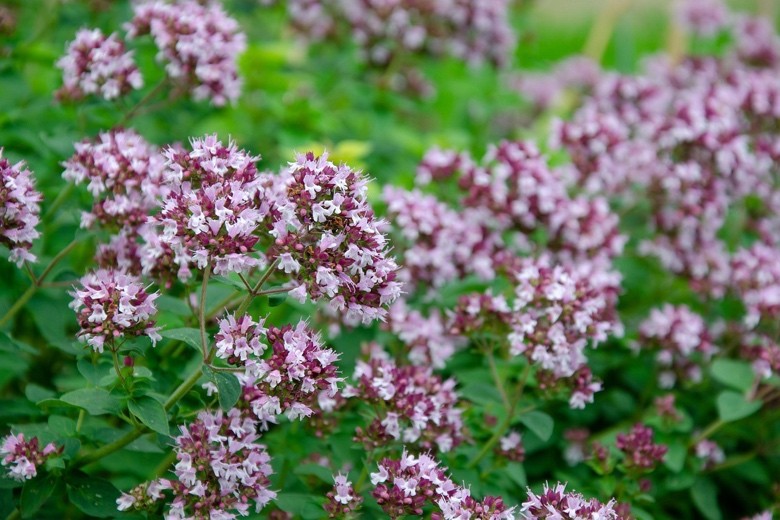
The humble golden oregano is a wonderful garden plant. In spring it makes a neat golden mound glowing amongst the spring bulbs and by late summer it is covered with small mauve flowers, bees and butterflies. It is easy to grow, you can divide it and give bits to your friend, it seeds if you let it and you can eat it! What more could you ask for?
Salvia microphylla
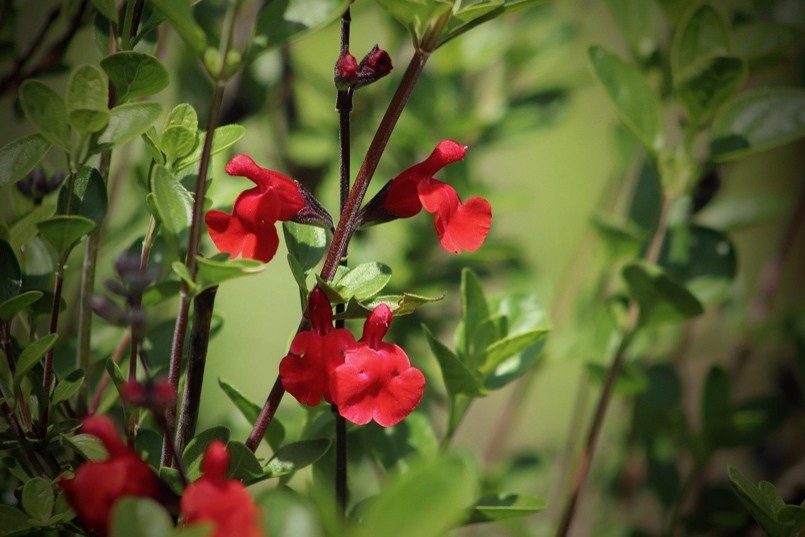
If you are only going to put in one plant, I’d go for this. There are many options in bright jewel colours and they flower for months. ‘Nachtvlinder’ is deep purple and sumptuous. I also like ‘Royal Bumble’. which is bright red. They smell amazing – like blackcurrants. They do well in pots too. They can get to 120cmx120cm but mine seem to be more in the 80×80 cm range. I remove all the dead stems once they start to produce new leaves in about April and reduce the size by about a third to keep them bushy. Needless to say, bees love them too.
If you would like some help making your garden more wild-life friendly, why not contact the Wild Sherborne Garden Ambassadors who will come and give you free advice?
Wild Sherborne and Glenholme Herbs in Sandford Orcas are also planning an event in August. There will be a guided tour of the nursery’s stunning show garden and advice on plants to make your garden more appealing to wild life. There will also be time to look around the nursery which specialises in herbs of all types, wildflowers and salvias – and indulge in a little retail therapy! Keep an eye on the website and Facebook page for more details.
Sarah Darlington, Garden Ambassador